Britain must build communities, not just homes

As the Government promises the biggest council house building programme since the post-war era, Intergenerational England launches The Age of Solidarity and calls on the housing sector to design generations back together
8.6 million people in the UK now live alone, and half of them are aged 65 or over
Only 17% of UK adults regularly spend time with someone from a different generation outside their family
Sovereign Network Group, Homes England and Fusion21 Foundation are already at the table
Intergenerational England has today launched The Age of Solidarity, a ten-year national programme to rebuild connection between generations. It is calling on housing providers, developers and planners to make intergenerational design part of every scheme from the outset.
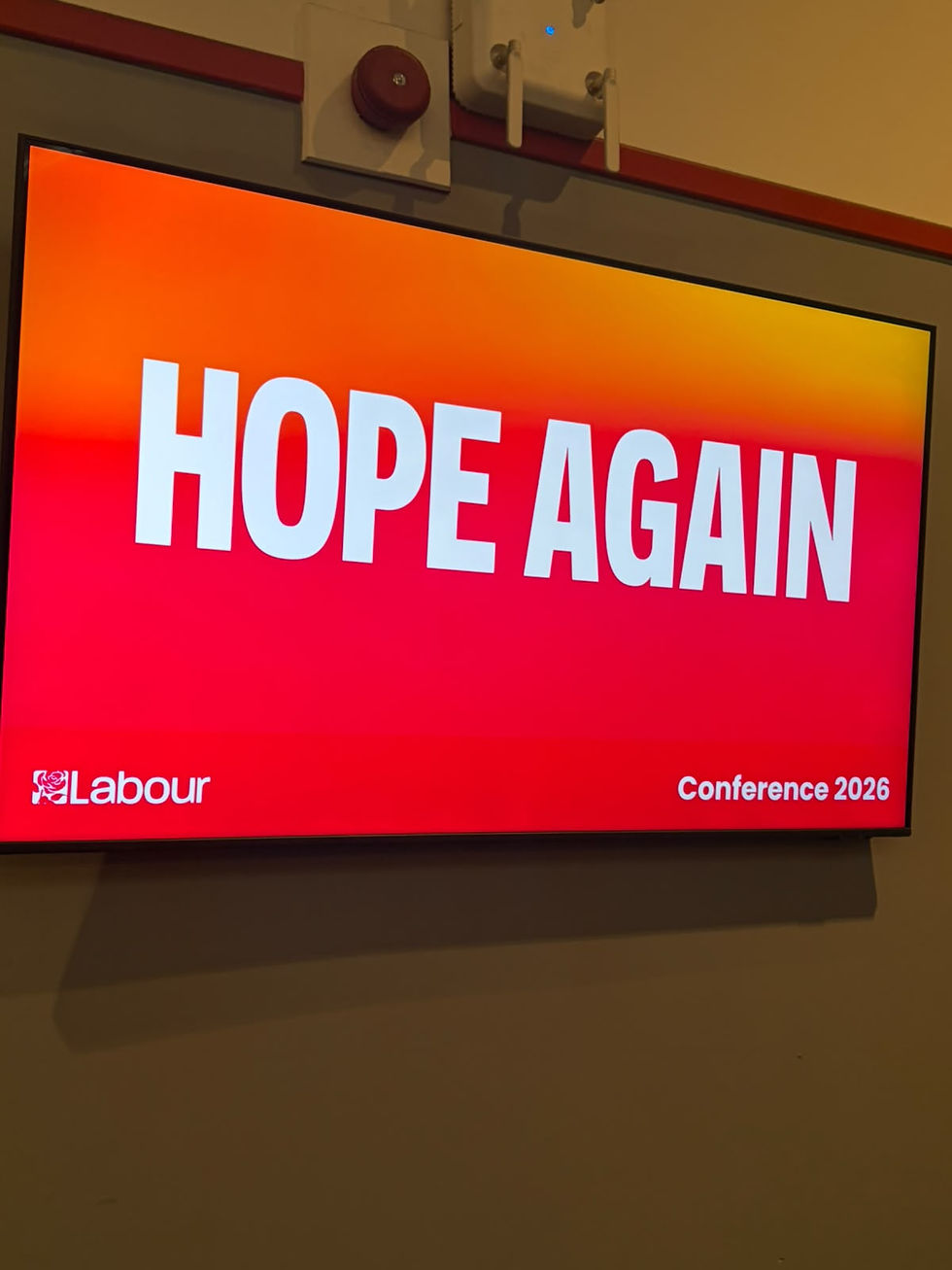
The launch follows the Prime Minister's speech to Labour Party Conference on 29 September. Andy Burnham promised “the biggest council house building programme since the post-war era” and said: “With a good home, everything is possible.” He closed by calling for “a country of solidarity not separation”.
The programme builds on A Divided Kingdom, Intergenerational England's flagship 2025 report, which set out how deeply Britain separates its generations. The Age of Solidarity is the response: from a divided kingdom to an age of solidarity.
Intergenerational England's message to the sector is direct. The homes commissioned in the next decade will shape communities for generations. Whether they bring people of different ages together or keep them apart is being decided now, in design briefs, funding bids and community plans.
Charlotte Miller and Emily Abbott, Co-Founders of Intergenerational England, said: “Britain urgently needs more homes, but we also need to think about the communities we are building around them. For too long, we have designed people apart by age. If separation can be designed in, connection can be designed in too.
“This is our opportunity to build places where generations don't simply live alongside one another, but know one another, support one another and belong together.We are living through an age of separation. It is time for an age of solidarity ”
For decades Britain has housed people by life stage: students in one place, families in another, older people somewhere else. Care settings sit apart from the neighbourhoods around them. New developments often lack the shared spaces and everyday reasons that bring generations into contact.
8.6 million people in the UK live alone. Half are aged 65 or over.
A child has roughly a 5% chance of living near someone aged over 65.
Fewer than one in ten care home residents regularly interact with anyone under 30.
Each person who is often lonely costs the NHS an estimated £850 more a year.
The result is places that are multigenerational in population but not intergenerational in daily life. The public wants something different: 86% of UK adults say mixing across generations builds mutual respect.
The Age of Solidarity gives the sector tools it can use now.
A diagnostic. The Intergenerational Maturity Model lets a housing provider assess its leadership, culture, investment and places against one shared national standard, then plan what to change.
Delivery. Access All Ages hubs that providers can commission directly, run inside estates and neighbourhoods with trained Intergenerational Activators.
A sector blueprint. A UK Intergenerational Housing Blueprint, built from live sites, setting out how to design, manage and measure intergenerational communities.
The programme starts with housing and place, because that is where daily life happens. It does not end there. Health, care, employers and funders are part of the same programme, because no sector builds a community alone.
A call to the sector
Intergenerational England is asking housing providers, developers and local authorities to:
Baseline their organisation with the Intergenerational Maturity Model
Host an Access All Ages demonstrator site
Contribute schemes and data to the UK Intergenerational Housing Blueprint
Write intergenerational criteria into design briefs and social value frameworks for the homes now being planned, including those funded through the Social and Affordable Homes Programme and New Towns
The question is no longer simply how many homes Britain builds. It is whether the places built around them bring generations together or keep them apart.
Housing organisations interested in joining The Age of Solidarity can find out more by getting in touch at info@intergenerationalengland.org